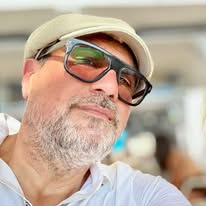
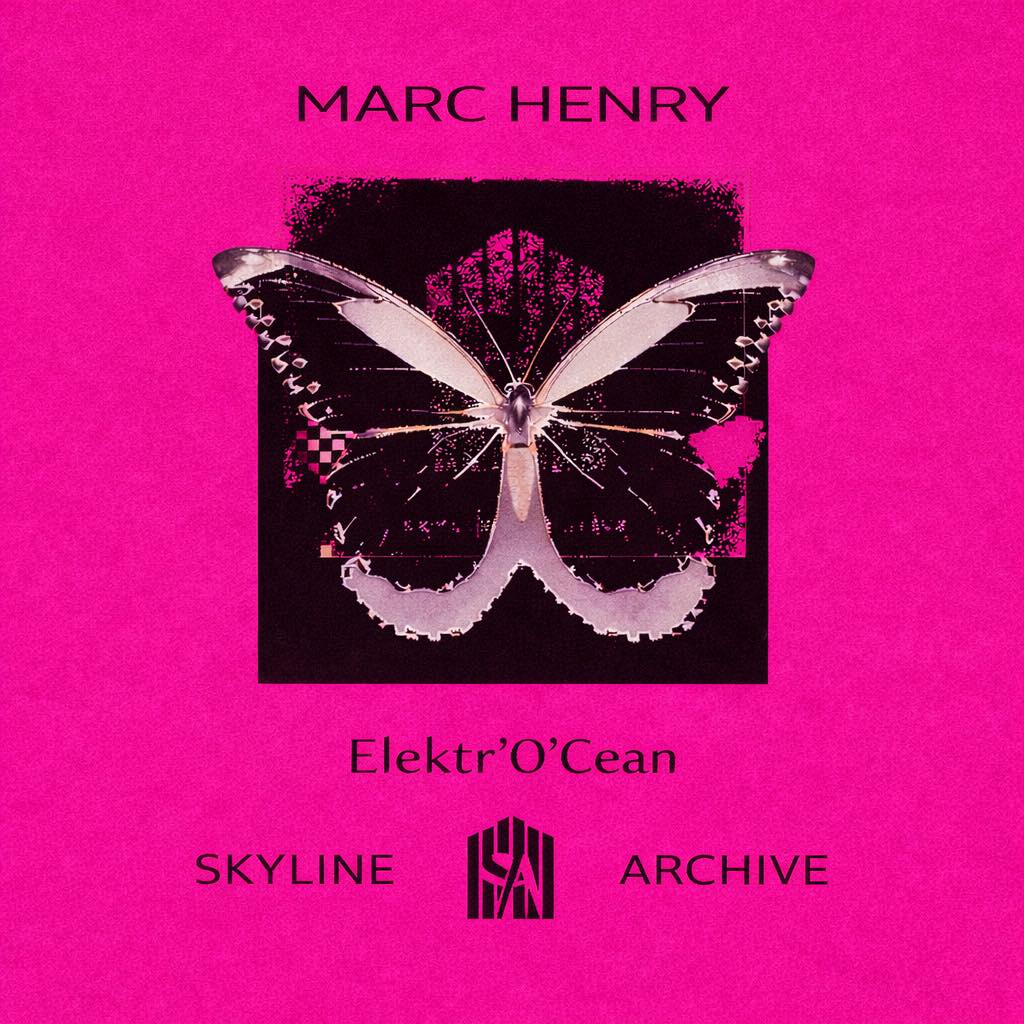
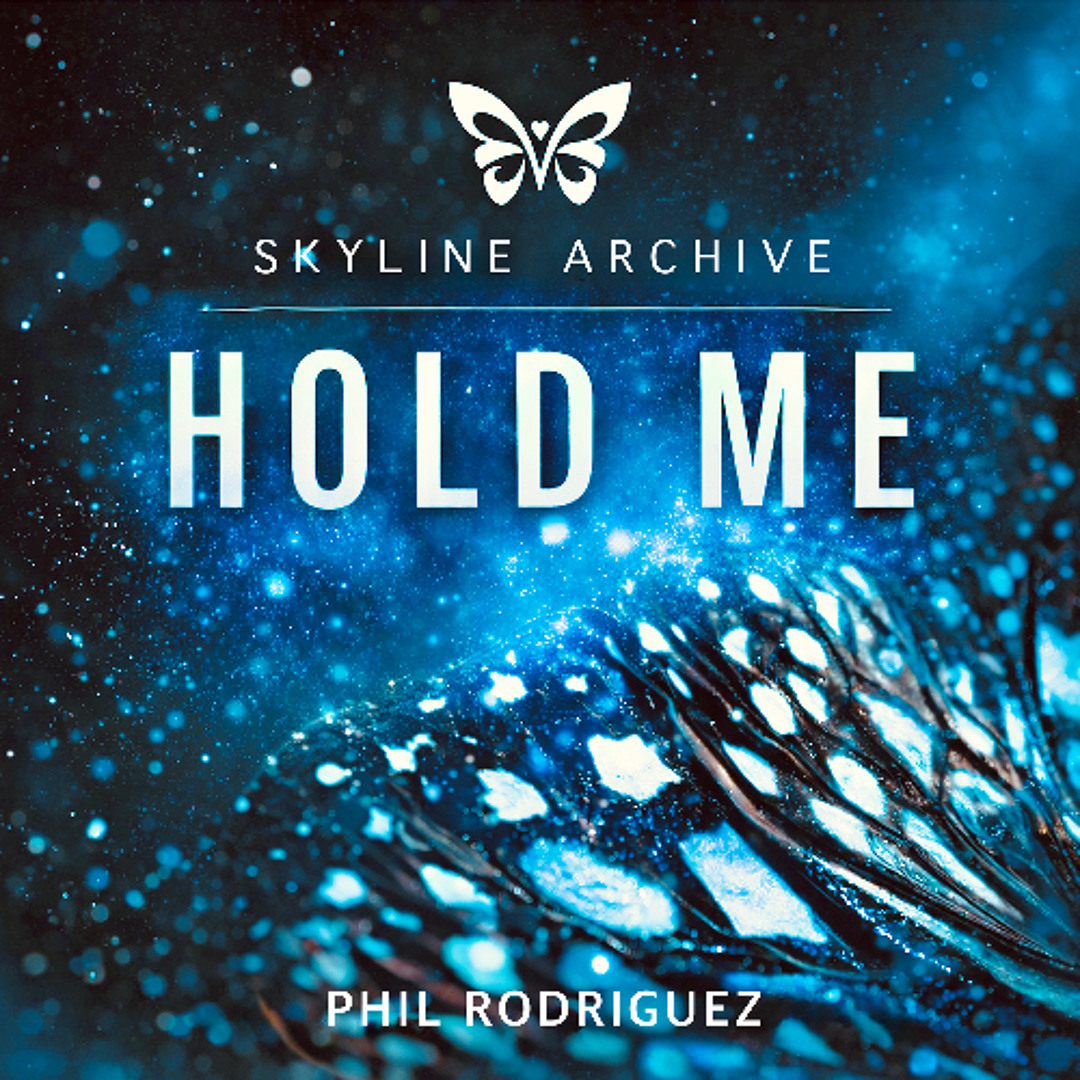
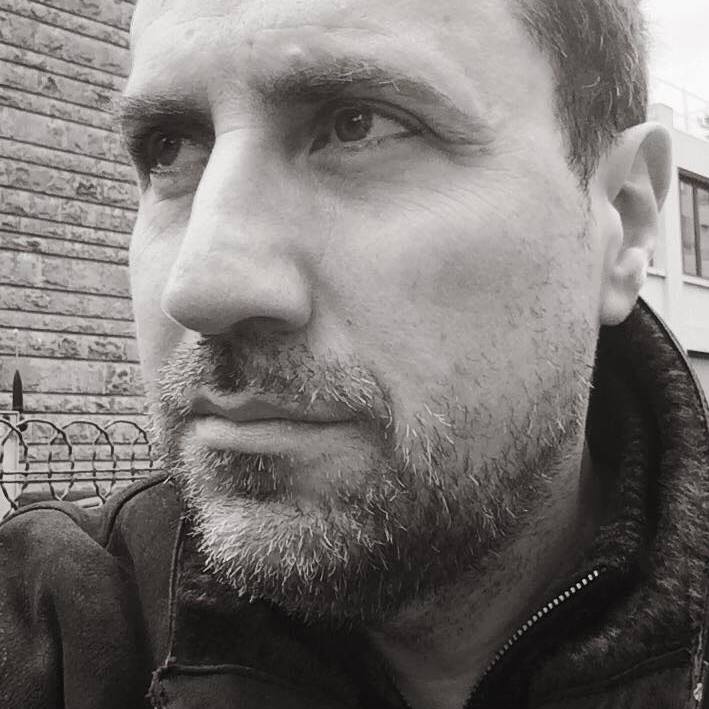
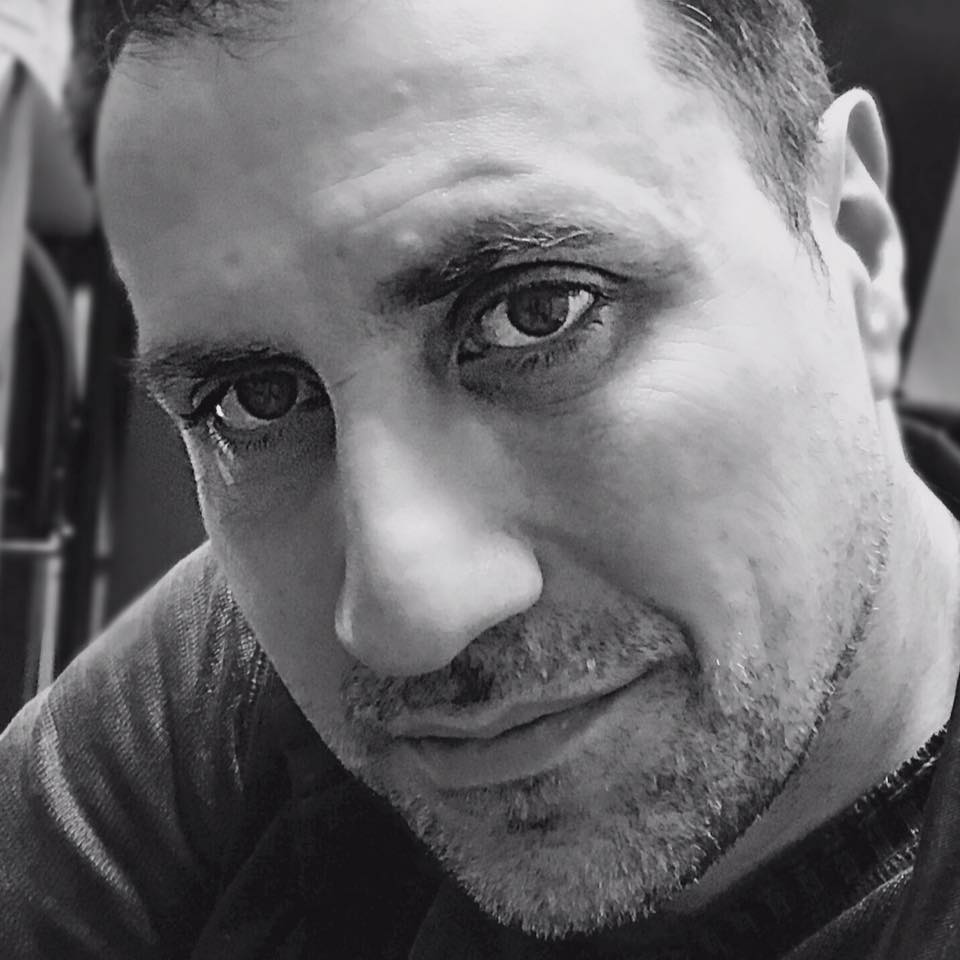
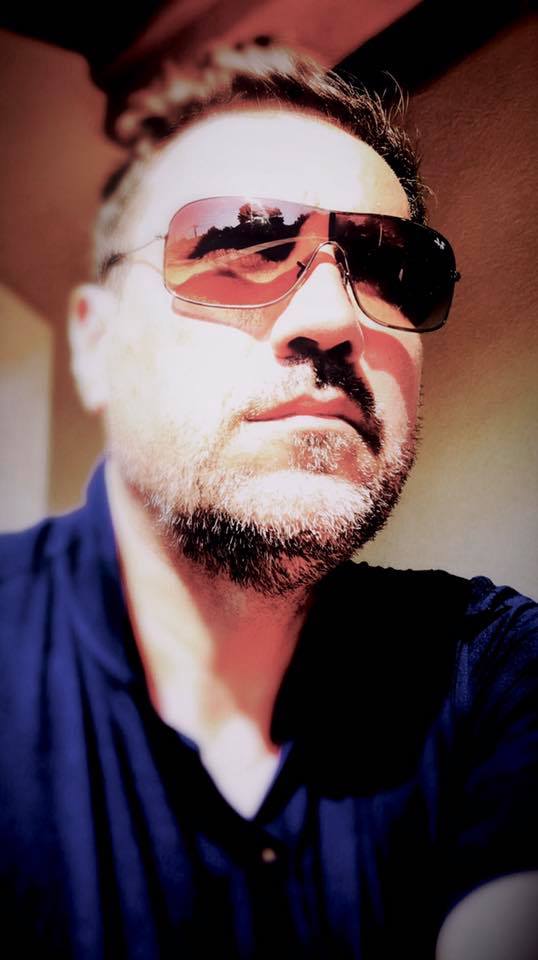
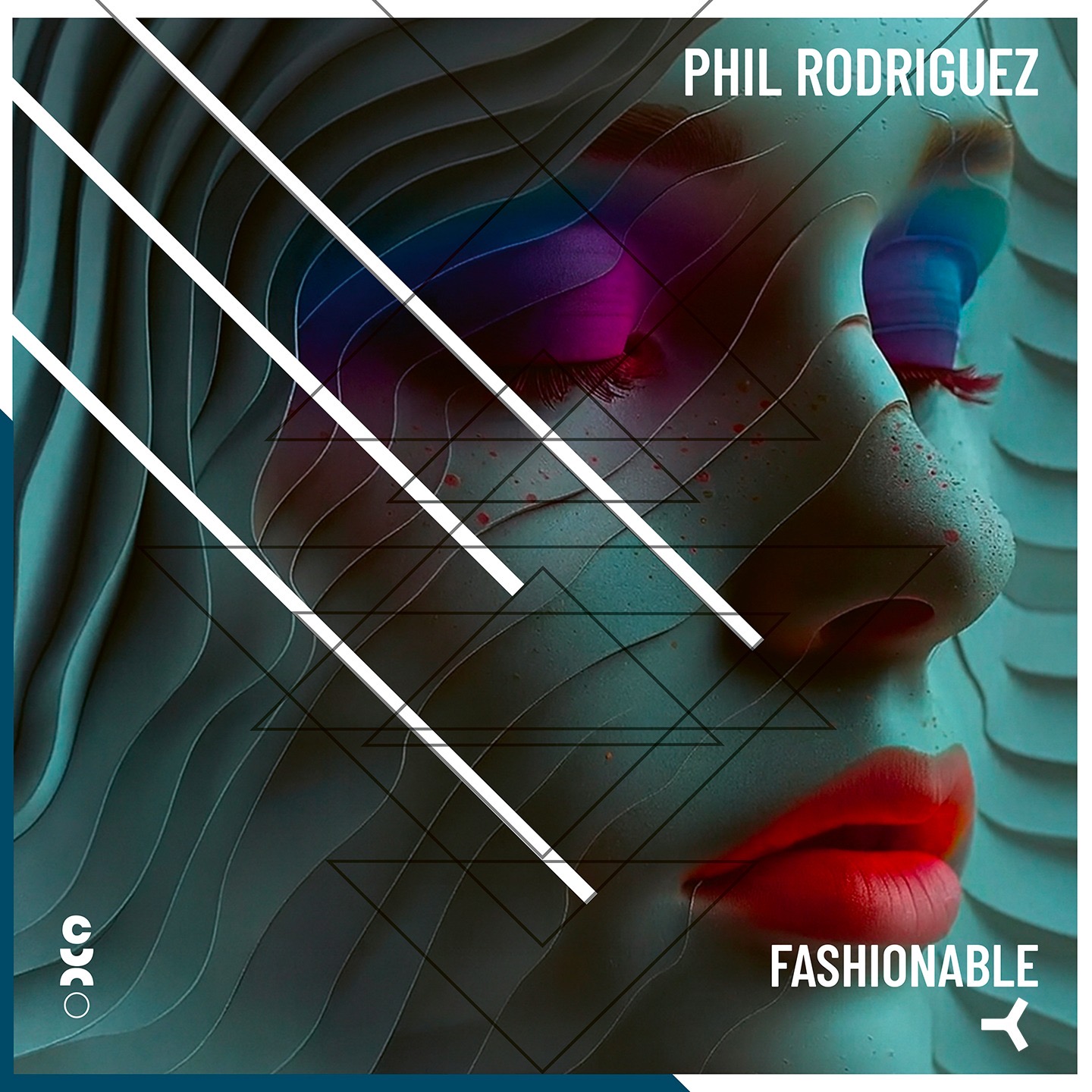
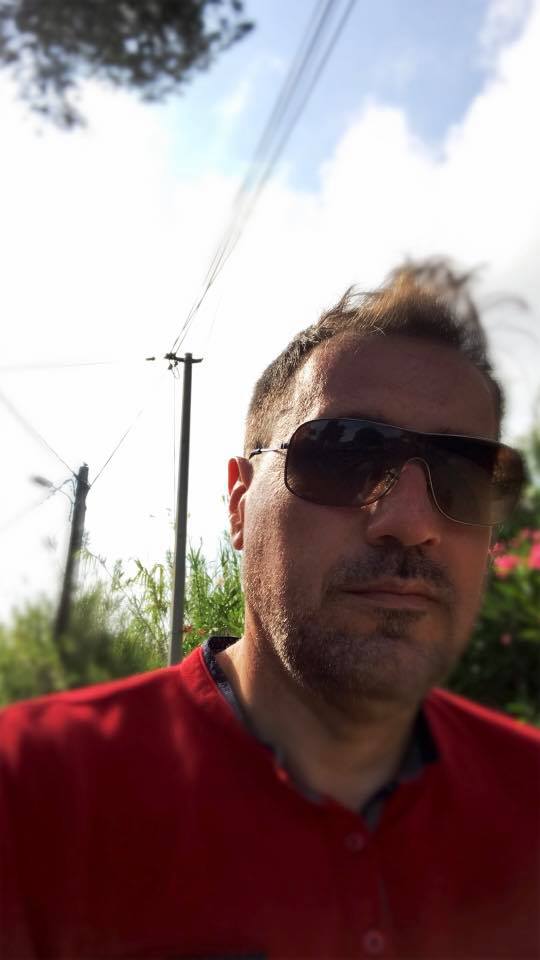
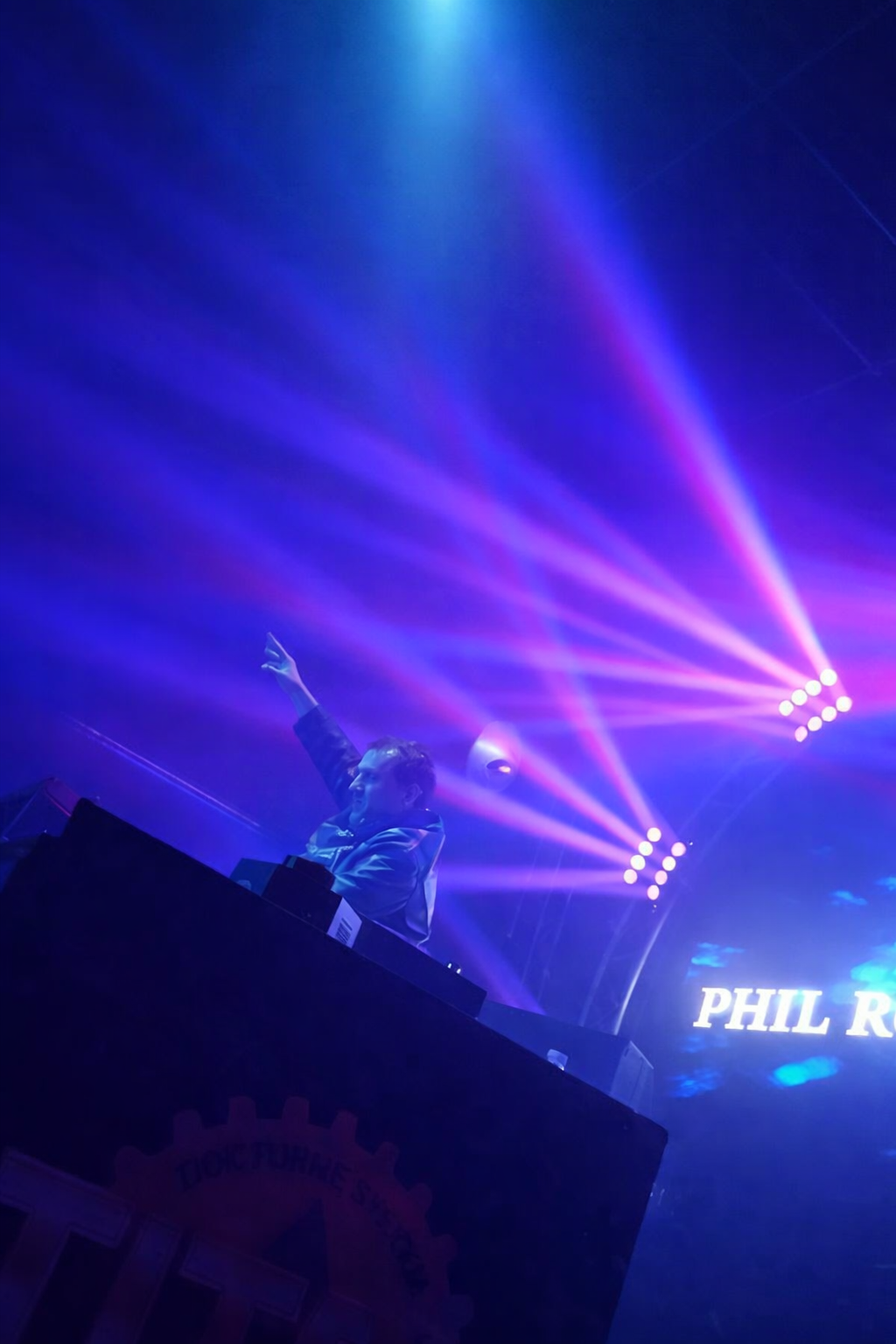
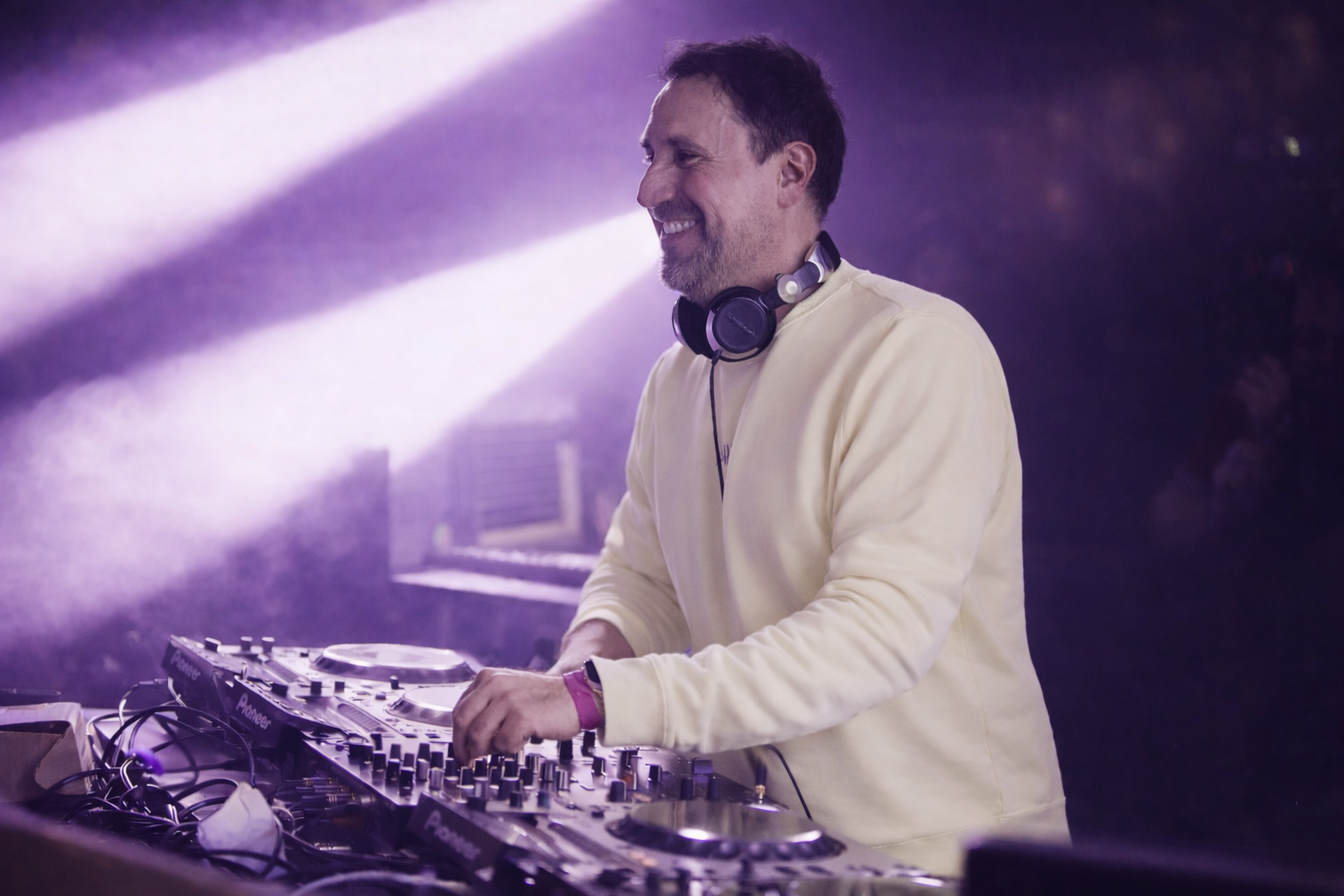
Dj Phil RODRIGUEZ aka Marc HENRY
BIOGRAFIA
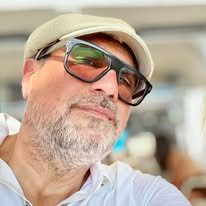
Deejay Phil RODRIGUEZ aka Marc HENRY
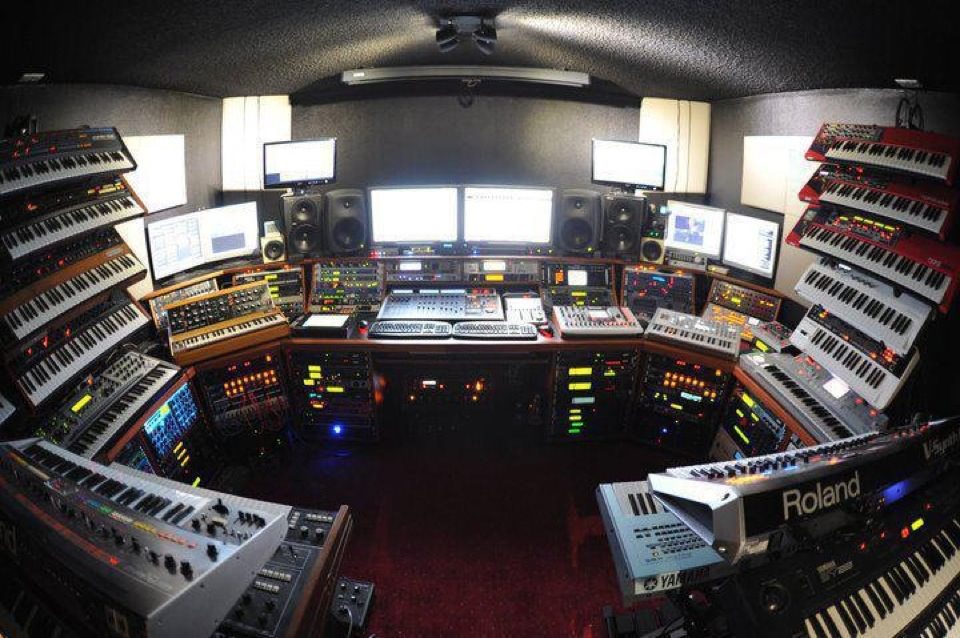
(ESP) Como DJ, Phil Rodriguez siempre ha actuado bajo su propio nombre, creando sets narrativos de larga duración basados en la progresión, la tensión y el espacio. Su enfoque se sitúa deliberadamente entre dos mundos: nunca comercial, nunca oscuro ni profundamente underground; un lugar donde el tiempo se estira, el movimiento respira y el contexto importa más que el formato. Sus producciones bajo el nombre de PHIL RODRIGUEZ despliegan un lenguaje melódico y emotivo, impulsado por la atmósfera, la profundidad y la contención, dejando espacio para el oyente en lugar de buscar el impacto. Bajo el alias MARC HENRY, el sonido se mueve hacia formas de techno progresivo y profundo, a veces con toques ácidos, guiado por líneas de bajo controladas y no agresivas, y una tensión lenta y prolongada. Creado en clubes. Moldeado por espacios. Sin atajos. Solo progresión.
A principios de los 90, Phil Rodriguez ya se movía entre Lyon y el sur de Francia, impulsado por el ritmo de los clubes y sus primeras sesiones de estudio. Fue durante su residencia en el club Le Factory cuando un encuentro desencadenaría algo decisivo: Gilbert Thevenet, por entonces solo un cliente, insistía noche tras noche en que Phil Rodriguez fuera a su local a hacer música.Este encuentro se convirtió en un punto de partida. Una transmisión, un virus. La entrada a otra dimensión: la de la producción, la estructura, la exploración sonora y la importancia de tomarse su tiempo.Lo que surgió allí no era aún una "carrera": era un método. Una forma de avanzar mediante la intuición, la repetición y la estructura; una trayectoria construida sin atajos.Fue en este contexto que se formó Absolut Control, y que ciertos encuentros abrirían, por un instante, la puerta a otro destino.
Absolut Control nació a principios de los 90. Un dúo formado por Phil Rodriguez y Gilbert Thevenet. Una arquitectura electrónica inicial, aún cruda, pero ya precisa: una mezcla de energía de club, tensión y control. El proyecto se convirtió en un campo de experimentación: estructuras repetitivas, visiones nocturnas, ideas en busca de forma. Gilbert Thevenet —quien más tarde se convertiría en Loren X y Asia 2001— aportó un rigor singular. Phil Rodriguez marcó la pauta: música diseñada para perdurar. Una noche de verano, la trayectoria dio un giro inesperado. En el club La Rive Droite, entre Sanary y Bandol, el DJ Luke pinchó un tema de Absolut Control como número de apertura, y la canción fue un auténtico éxito. David Guetta, de paso para ver a un amigo, estaba allí. Se presentaron. La historia comenzó. En ese momento, Absolut Control llamó la atención de David Guetta, quien por entonces estaba profundamente involucrado en el surgimiento de la escena club francesa. Comenzaron a trabajar en el estudio. Se iniciaron las conversaciones sobre un posible fichaje con Scorpio Music, uno de los sellos discográficos de música dance más importantes de Francia en aquel momento. El proyecto se grabó en Studio Bastille de París durante sesiones nocturnas, mientras que los días se dedicaban a grabar el álbum debut de MC Solaar. A pesar del genuino interés, el lanzamiento finalmente no se concretó. Según Henri Belolo, la decisión fue estratégica: "Le Dormeur Doit Se Réveiller" estaba en su apogeo en Francia y Europa. Publicar otro tema electrónico en ese preciso momento corría el riesgo de disminuir su impacto. La música electrónica aún era nueva y poco comprendida, y el tiempo se agotaba. Al mismo tiempo, Absolut Control ofrecía conciertos en vivo, especialmente en los transmitidos por Radio Maxximum. Una presencia directa, una señal. El proyecto formaba parte del emergente movimiento de música electrónica, donde la escena aún se estaba gestando en tiempo real. Absolut Control no fue un paréntesis: fue una base. Un período donde la experimentación, la estructura y la performance se entrelazan, y donde la identidad artística de Phil Rodriguez comienza a definirse a largo plazo.
En aquel entonces, The Factory era el club más influyente de Lyon y uno de los principales locales de música electrónica de la región. Convertirse en DJ residente allí supuso un paso decisivo.Desde principios de los 90, Phil Rodriguez tuvo una larga residencia en The Factory, pinchando semana tras semana para un público exigente y exigente. No se trataba de actuaciones puntuales, sino de un esfuerzo constante basado en la regularidad, la constancia y la credibilidad en la pista de baile. Este periodo coincidió además con un momento clave: el lanzamiento de su primer disco de vinilo en 1991, producido con Gilbert Thevenet. Este disco actuó como un verdadero catalizador y marcó el inicio de sus primeros viajes fuera de Francia. Presentado por Laurent Delannoy, originario de Lille —dueño de la tienda Galaxy Import en Lyon y DJ conocido como Karma—, Phil Rodriguez descubrió la escena belga y comenzó a promocionar activamente sus discos allí. Con discos de vinilo bajo el brazo, frecuentaba clubes que con el tiempo se convirtieron en legendarios, como Boccaccio (Gante) y Balmoral, entregando sus discos directamente a los DJs. El efecto fue inmediato: los temas sonaron esa misma noche en clubes abarrotados, creando atmósferas sin precedentes. The Factory se encontró así en la encrucijada de dos dinámicas: una fuerte presencia local gracias a la residencia y el inicio de una circulación internacional basada en la reacción directa de la pista de baile.
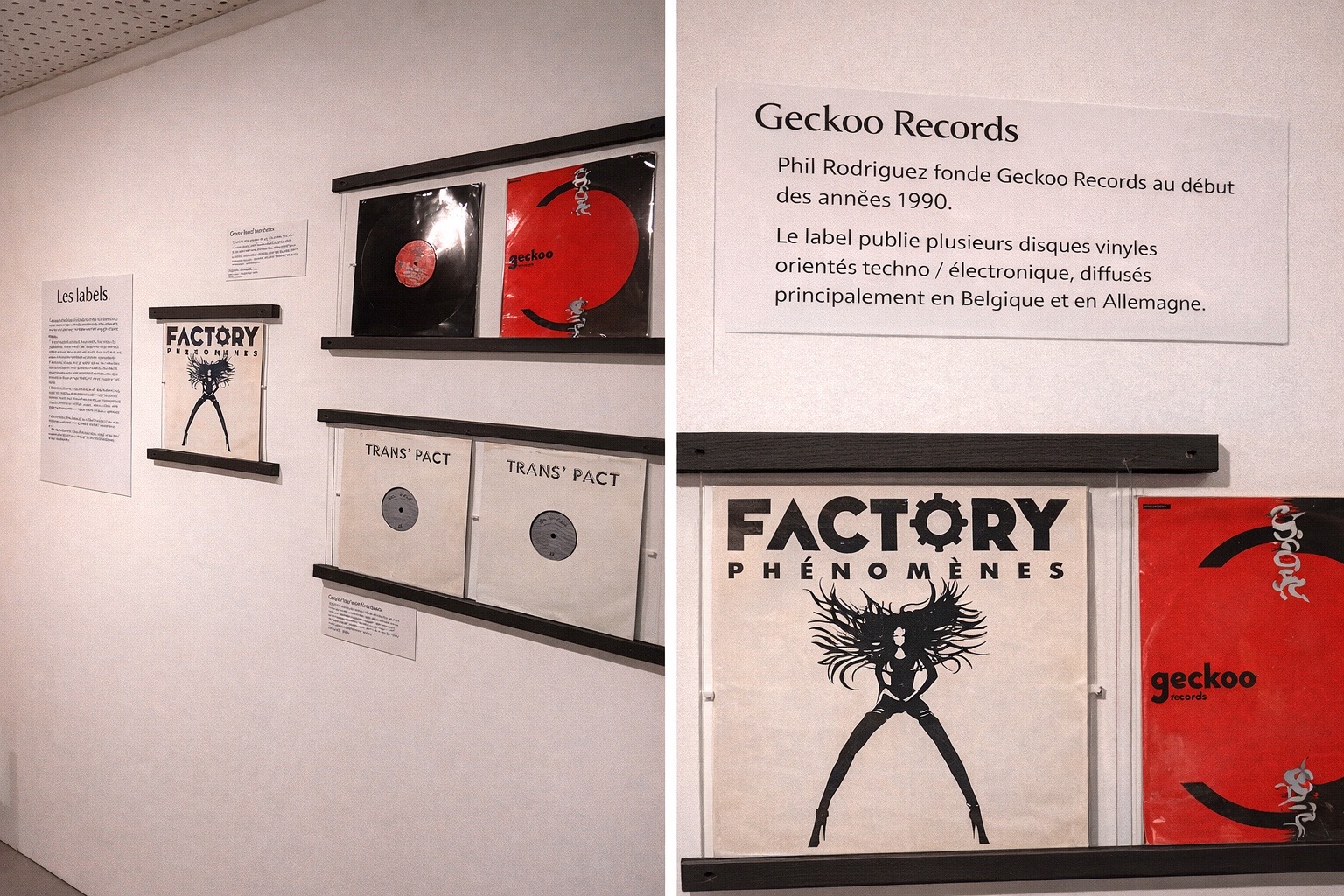
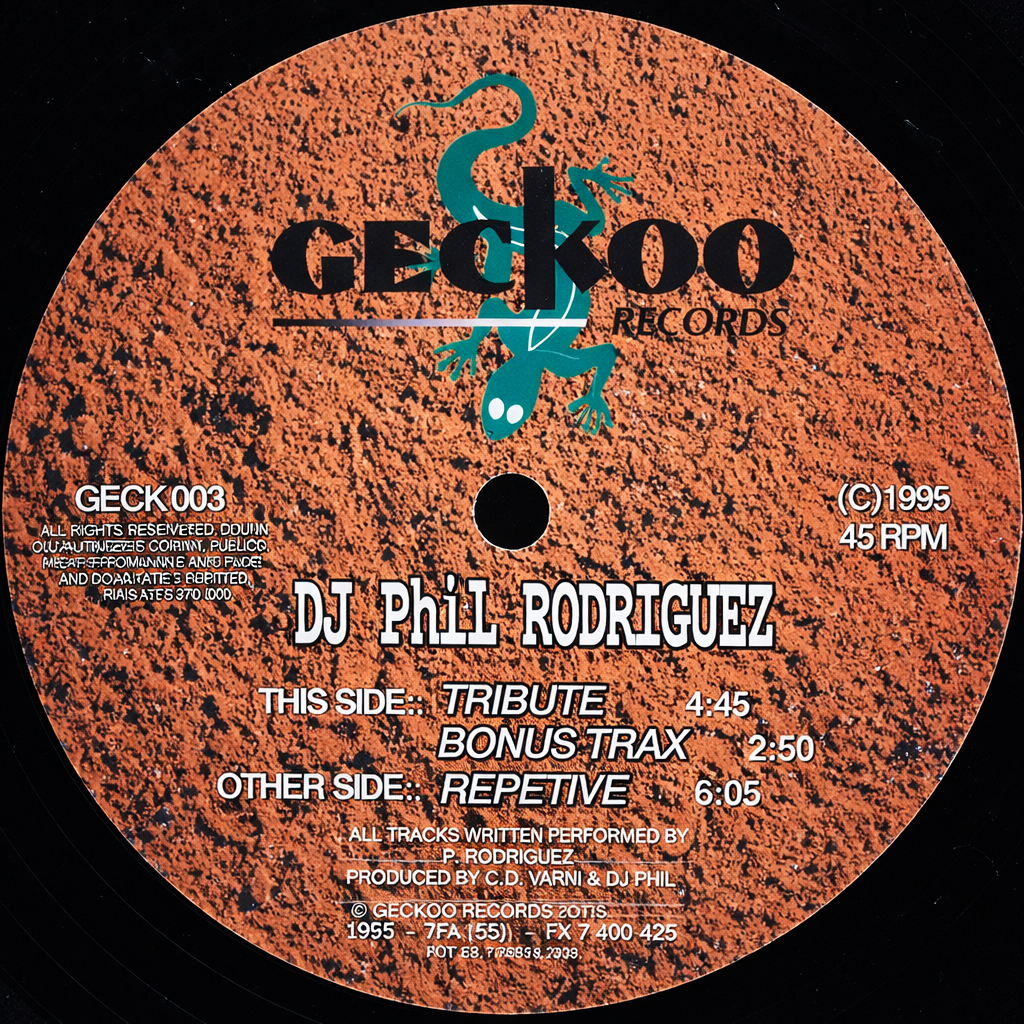
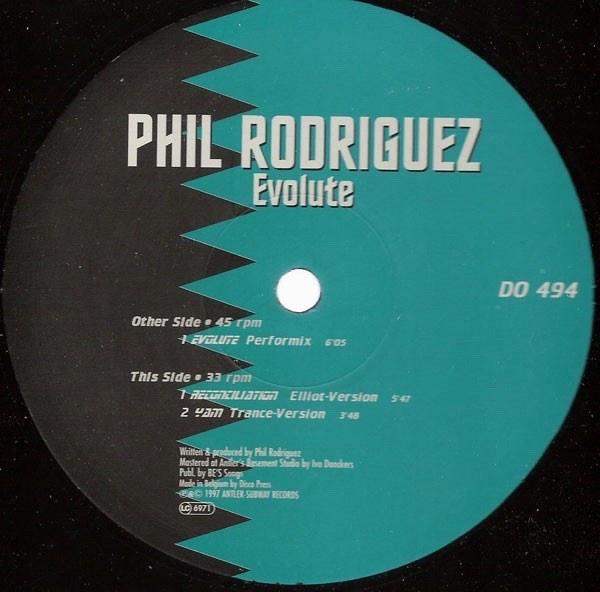
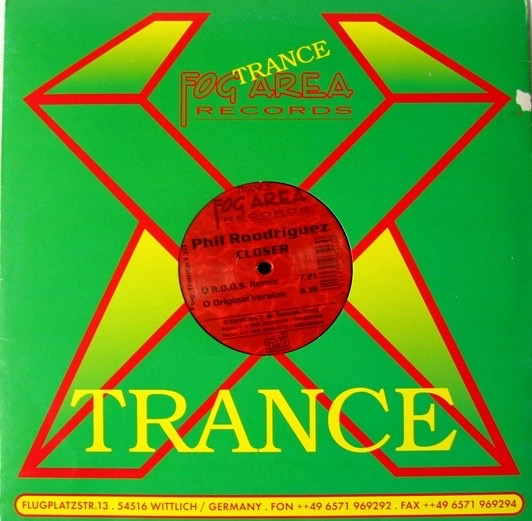
Geckoo Records fue el primer sello independiente fundado por Phil Rodriguez a principios de los 90. Creado como una extensión natural de su trabajo en clubes, el sello se diseñó para lanzar música probada directamente en la pista de baile. A través de Geckoo Records, Phil Rodriguez lanzó sus primeros discos de vinilo, que rápidamente circularon fuera de Francia, especialmente en Bélgica. Con temas como Repetive y Tribute, el sello alcanzó el número uno en las listas de vinilos belgas durante dos semanas consecutivas, confirmando una fuerte conexión con la escena clubbing belga. Geckoo Records sentó las bases de una estética basada en la repetición, la estructura y los ritmos hipnóticos. Marcó el punto de partida de una trayectoria artística independiente, arraigada en la realidad de los clubes más que en la lógica del marketing. Durante su estancia en Bélgica, Phil Rodriguez se integró en el ecosistema del sello Dance Opera, una plataforma clave para la música electrónica innovadora de los años 90. Su primer gran hito discográfico llegó con la inclusión de un tema en el recopilatorio *Serious Beats 17*, un referente esencial para la escena electrónica belga a mediados de los 90. Este impulso continuó con recopilaciones emblemáticas como *Cherry Moon – The 5th Anniversary*, que demostraron una auténtica distribución en clubes, más allá de cualquier reconocimiento teórico. Fue en Dance Opera donde Phil Rodriguez conoció a Maurizio (Antler Subway), fundador de Praga Khan, una figura central e influyente en la escena electrónica e industrial belga de la época. Este encuentro puso su trabajo en contacto directo con los principales actores que moldearon la cultura de los clubes belgas, reforzando tanto la legitimidad artística como la credibilidad internacional de esta etapa. Estos lanzamientos y conexiones fueron más que simbólicos: los discos se pincharon, se compartieron y se probaron en pistas de baile abarrotadas, creando un vínculo tangible entre la producción de estudio y la realidad de los clubes.
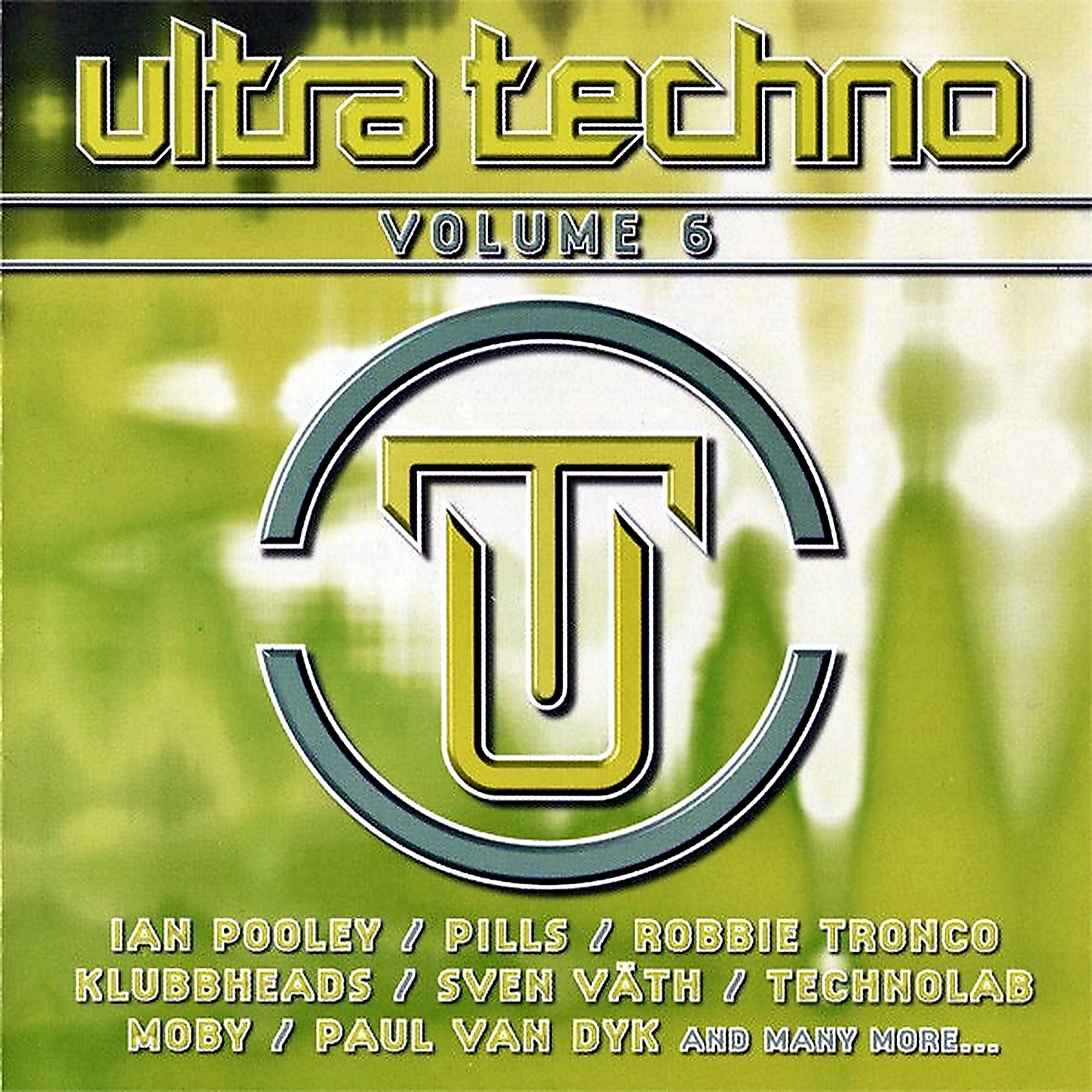
A finales de la década de 1990, Phil Rodriguez se unió a Indépendance Records, entonces parte de Virgin France, desempeñando un papel fundamental que trascendía con creces los lanzamientos artísticos, por iniciativa de Jean-Pierre Sablier, fundador del sello. Phil Rodriguez se convirtió en el director artístico, participando directamente en la selección musical, la coherencia editorial y la visión a largo plazo para el desarrollo de la música electrónica dentro del sello. En este cargo, Phil Rodriguez concibió y supervisó las listas de canciones de la serie de recopilaciones Ultra Techno, volúmenes 1 al 5. Estas recopilaciones alcanzaron el disco de oro en Francia, con más de 100.000 copias vendidas cada una, y se consolidaron como referentes institucionales de la música electrónica de la época. Este rol lo posiciona no solo como artista, sino también como curador y arquitecto sonoro, influyendo en la forma en que la música electrónica se presenta, contextualiza y difunde ampliamente. Refleja un profundo conocimiento de la cultura de club, plasmado en proyectos editoriales nacionales de gran envergadura. Durante este período, sus propias producciones también circularon dentro del ecosistema del sello, reforzando su doble posición: en el corazón de la estructura de la industria, a la vez que permanecía conectado con la realidad de la pista de baile.
(UK) As a DJ, Phil Rodriguez has always performed under his own name, shaping long-form narrative sets built on progression, tension and space. His approach deliberately stands between two worlds — never commercial, never dark or deeply underground - a place where time stretches, movement breathes, and context matters more than format. His productions under the PHIL RODRIGUEZ name unfold a melodic and emotional language, driven by atmosphere, depth and restraint, leaving space for the listener rather than seeking impact. Under the MARC HENRY alias, The sound moves toward progressive and deep techno forms, sometimes acid-tinged, guided by controlled, non-aggressive basslines and slow-burning, long-term tension. Built in clubs. Shaped by rooms. No shortcuts. Only progression.
In the early 1990s, Phil Rodriguez was already active between Lyon and the south of France, driven by the rhythm of the clubs and his first studio sessions. It was during his residency at Le Factory club that a meeting would trigger something decisive: Gilbert Thevenet, then just a customer, insisted night after night that Phil Rodriguez come to his place to make music.This encounter became a point of origin. A transmission—the virus. The entry into another dimension: that of production, structure, sonic exploration, and taking one's time.What emerged there wasn't yet a "career": it was a method. A way of moving forward through intuition, repetition, and structure—a trajectory built without shortcuts.It was in this context that Absolut Control was formed—and that certain encounters would, for a moment, open the door to another destiny.
Absolut Control was born in the early 1990s. A duo: Phil Rodriguez and Gilbert Thevenet. An initial electronic architecture, still raw, yet already precise—a blend of club energy, tension, and control.The project became a testing ground: repetitive structures, nocturnal visions, ideas searching for form. Gilbert Thevenet—who would later become Loren X and Asia 2001—brought a singular rigor. Phil Rodriguez laid down a direction: that of music designed to last. One summer evening, the trajectory took a different turn. At the La Rive Droite club, between Sanary and Bandol, DJ Luke played an Absolut Control track as the opening number—and the song was a real hit. David Guetta, passing through to see his friend, was there. Introductions were made. The story began. At that time, Absolut Control caught the attention of David Guetta, who was then deeply involved in the emergence of the French club scene. Studio work began. Discussions began regarding a potential signing with Scorpio Music, one of the major dance labels in France at the time.The project was recorded at Studio Bastille in Paris during nighttime sessions—while the days were dedicated to recording MC Solaar's debut album. Despite genuine interest, the release ultimately fell through.According to Henri Belolo, the decision was strategic: "Le Dormeur Doit Se Réveiller" was at its peak in France and Europe. Releasing another electronic track at that precise moment risked diminishing its impact. Electronic music was still new and poorly understood—and the timing was running out.At the same time, Absolut Control performed live, notably in concerts broadcast on Radio Maxximum. A direct presence, a signal. The project was part of the emerging electronic music movement, where the scene was still forming in real time. Absolut Control wasn't a parenthesis: it was a foundation. A period where experimentation, structure and performance intersect — and where Phil Rodriguez’s artistic identity begins to take shape over the long term.
At that time, The Factory was the most influential club in Lyon and one of the major venues for electronic music in the region. Becoming a resident DJ there marked a decisive step.From the early 1990s, Phil Rodriguez held a long-term residency at The Factory, playing week after week for a demanding and discerning audience. These weren't one-off appearances, but rather a sustained effort based on regularity, endurance, and credibility on the dance floor.This period also coincided with a pivotal moment: the release of his first vinyl record in 1991, produced with Gilbert Thevenet. This record acted as a real catalyst and marked the beginning of his first trips outside of France. Introduced by Laurent Delannoy, originally from Lille—owner of the Galaxy Import store in Lyon and a DJ under the name Karma—Phil Rodriguez discovered the Belgian scene and began actively promoting his records there. Vinyl records under his arm, he frequented clubs that have since become legendary, such as Boccaccio (Ghent) and Balmoral, handing his records directly to the DJs. The effect was immediate: the tracks were played that very night in packed clubs, creating atmospheres that were unprecedented.The Factory thus found itself at the crossroads of two dynamics: a strong local presence through the residency, and the beginning of an international circulation based on the direct reaction of the dance floor.
Geckoo Records was the first independent label founded by Phil Rodriguez in the early 1990s. Created as a natural extension of his club work, the label was designed to release music tested directly on the dance floor. Through Geckoo Records, Phil Rodriguez released his first vinyl records, which quickly circulated beyond France, notably in Belgium. With tracks like Repetive and Tribute, the label reached number one on the Belgian vinyl charts for two consecutive weeks, confirming a strong connection with the Belgian club scene. Geckoo Records laid the foundations for an aesthetic based on repetition, structure, and hypnotic grooves. It marked the starting point of an independent artistic journey, rooted in the reality of clubs rather than in marketing logic.During his years in Belgium, Phil Rodriguez became part of the Dance Opera label ecosystem, a major platform for innovative electronic music in the 1990s. His first major recording milestone came with the inclusion of a track on the compilation *Serious Beats 17*, an essential reference point for the Belgian electronic scene in the mid-1990s. This momentum continued with emblematic compilations such as *Cherry Moon – The 5th Anniversary*, demonstrating genuine club distribution, far removed from any theoretical recognition.It was within Dance Opera that Phil Rodriguez met Maurizio (Antler Subway), founder of Praga Khan, a central and influential figure in the Belgian electronic and industrial scene of the time. This encounter placed his work in direct contact with the key players who shaped Belgian club culture, reinforcing both the artistic legitimacy and the international credibility of this chapter.These releases and connections were more than just symbolic: the records were played, shared, and tested on packed dance floors, creating a tangible link between studio production and the reality of the club.
In the late 1990s, Phil Rodriguez joined Indépendance Records, then part of Virgin France, in a central role that extended far beyond artistic releases, at the initiative of Jean-Pierre Sablier, the label's founder. Phil Rodriguez became the label's artistic director, directly involved in curation, editorial consistency, and the long-term vision for the development of electronic music within the label. In this capacity, Phil Rodriguez conceived and oversaw the tracklists for the Ultra Techno compilation series, volumes 1 through 5. These compilations achieved gold status in France, with over 100,000 copies sold each, and established themselves as institutional benchmarks of electronic music from that era.This role positions him not only as an artist, but also as a curator and sonic architect, shaping how electronic music is presented, contextualized, and widely disseminated. It reflects a deep understanding of club culture, transposed into large-scale national publishing projects.During this period, his own productions also circulated within the label's ecosystem, reinforcing his dual position: at the heart of the industry structure, while remaining connected to the realities of the dance floor.
NEXT SHOW
> 06 Marzo 2026 Magic Garden en Toulouse (Francia)
> 14 Marzo 2026 Mix News en Radio Espace Lyon (Francia)
> 04 Abril 2026 TITAN XYPHOS COMPLEXE en Lyon (Francia)
> 17 Abril 2026 Mix News en Radio Espace Lyon (Francia)
> 18 Abril 2026 Magic Garden en Marsella (Francia)
SONIDOS
.
.
.
.
.
.
.
.
.
.
.
.
.
.
.
.
VIDEOS
Dj Phil RODRIGUEZ
Phil RODRIGUEZ WIth HOLD feat Hana (Francia)
Dj Phil RODRIGUEZ
Show en TITAN XYPHOS Complexe en Lyon (Francia)
Dj Phil RODRIGUEZ
Show en TITAN XYPHOS Complexe en Lyon (Francia)
Dj Phil RODRIGUEZ
Mix THE FACTORY Club en Lyon (Francia)